

How to Choose CNC Cutting Tools for Machining Operations
Choosing the right CNC cutting tools is critical for achieving high machining accuracy, surface quality, and cost efficiency. Different machining operations such as turning, milling, drilling, and threading require specific tooling solutions. This guide explains how to select suitable CNC cutting tools based on machining operations and application requirements.
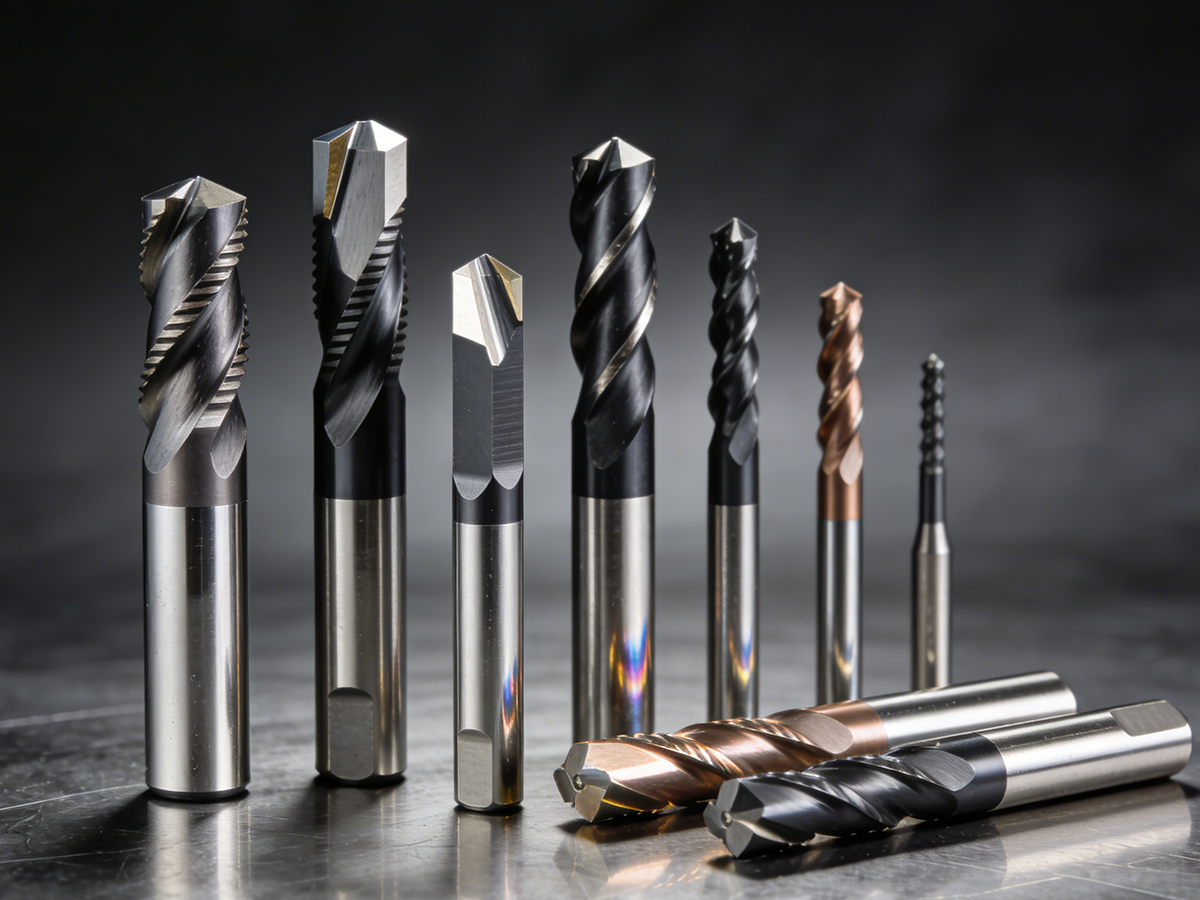
Understanding Different CNC Machining Operations
Each CNC machining operation places different demands on cutting tools. Understanding these differences helps engineers and buyers choose tools that deliver stable performance and longer tool life.
Turning Operations
Turning operations involve removing material from a rotating workpiece using single-point cutting tools. Key factors when selecting turning tools include insert geometry, coating type, and tool holder rigidity.
Recommended tooling: CNC Turning Tools and Carbide Inserts
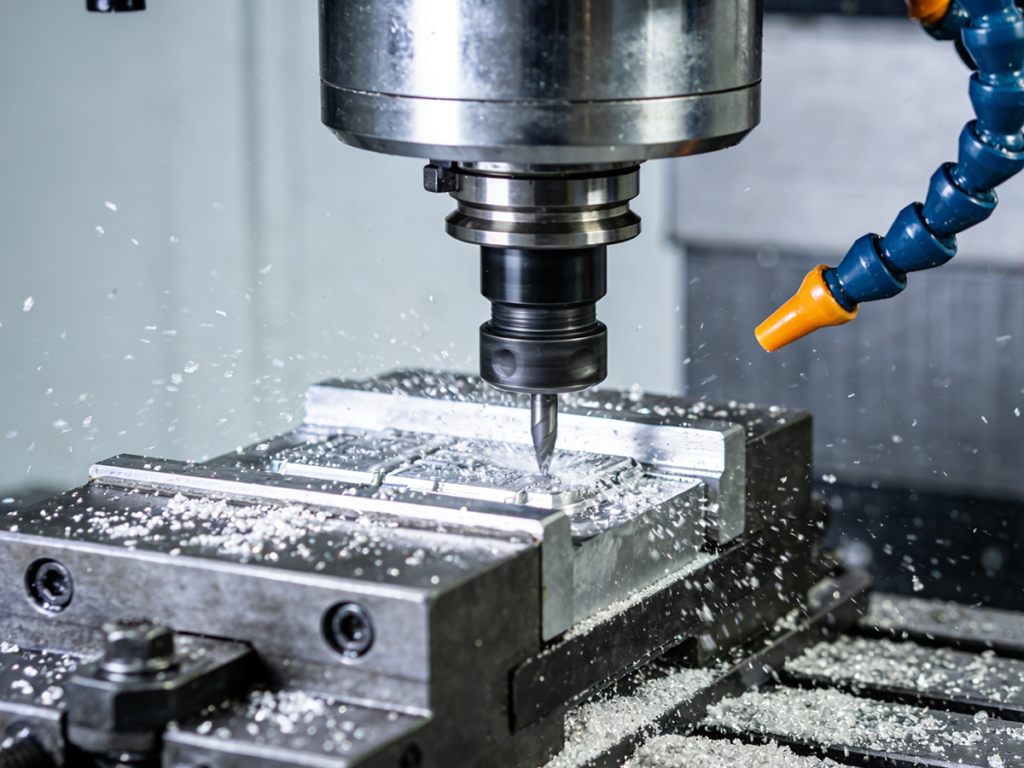
Milling Operations
Milling tools perform cutting with multi-point edges and are widely used for slotting, profiling, and surface machining. Tool selection depends on cutter type, number of flutes, tool diameter, and workpiece material.
Recommended tooling: CNC Milling Cutters and End Mills

Drilling Operations
Drilling tools are designed to create accurate holes with consistent diameter and depth. Choosing the right drill requires consideration of tool material, coating, coolant design, and hole tolerance.
Recommended tooling: CNC Drilling and Holemaking Tools

Threading Operations
Threading operations require precise control to ensure thread accuracy and surface finish. Tool choice depends on thread type, pitch, material, and production volume.
Recommended tooling: CNC Threading Tools and Taps

Common Mistakes in CNC Cutting Tool Selection
- Choosing tools based only on price rather than application requirements
- Ignoring tool coating and material compatibility
- Using incorrect cutting parameters for the selected tool
- Overlooking tool holder rigidity and runout
Conclusion
Selecting the right CNC cutting tools for different machining operations is essential for improving productivity, tool life, and machining quality. By understanding operation requirements and matching them with suitable tooling solutions, manufacturers can achieve stable and cost-effective machining results.
If you need assistance with CNC cutting tool selection, small batch supply, or OEM tooling solutions, feel free to contact our technical sales team for professional support.
A solid guide on the key selection criteria. It makes me think of a frequent challenge: when you’re tasked with finishing a deep pocket in 304 stainless, is the primary driver for your final tool choice the need for maximum rigidity (shorter tool), better chip evacuation (specific flute design), or material-specific coating? What’s the deciding factor from your experience?